Resolution for Better Mental Health: A Lighter Start to the New Year
When your resolution this year is to feel better
Every January, a lot of us promise ourselves a fresh start. For some people, that means a gym membership or a budget. For others, the goal is quieter and harder: less worry, better sleep, more energy, and more room to enjoy the people and things you care about.
If you resolve to feel better, it deserves the same seriousness as any other goal. You do not have to wait for a crisis, a diagnosis, or January 1 to begin.
Salt City Mental Health offers individual counseling with in-person appointments in Bountiful and telehealth. Dustin Hall, LCSW, founder of the practice, specializes in anxiety, OCD, and related disorders and helps people build practical skills for a lighter, more confident year. A free 15-minute phone consultation can help you decide whether it feels like the right fit.

Why mental health resolutions are
hard to keep
Most resolutions fail for ordinary reasons: they are vague, they are all-or-nothing, and they rely on willpower during the darkest, coldest weeks of the year. Mental health goals add another layer. Anxiety pushes for certainty and perfection. Low mood drains the motivation you need to start. Utah's winter inversions and shorter days can make it harder to get outside and keep the routines that help.
A more useful goal than "never feel anxious again" is "stop letting anxiety make my decisions." Anxiety is not the enemy. It is designed to protect and guide us, and the trouble starts when the brain learns to fear anxiety and the sensations that come with it. Learning to meet those feelings differently is a skill, and skills can be taught.
If winter itself feels heavy, our page on holiday anxiety and seasonal affective concerns may help you sort out what you are noticing.

You do not need a dramatic overhaul. These goals tend to be specific enough to act on and kind enough to keep:
Stop avoiding what matters. Avoidance brings short-term relief but tends to keep anxiety going. Therapy can help you face situations gradually and on your terms. Learn about anxiety counseling.
Loosen the grip of checking and reassurance-seeking. Repeated checking, analyzing, and asking for reassurance are common ways people try to cope with anxiety and OCD. They rarely work for long. Learn about OCD treatment.
Rebuild a steady routine. Sleep and wake times, daylight, movement, and meals support mood and energy. Small, consistent steps count.
Reconnect with people and activities you enjoy. When motivation is low, planning small, meaningful activities can help rebuild momentum.
Be less hard on yourself. Self-esteem and self-worth are common reasons people start therapy. Explore individual counseling.
Navigate a transition. A new job, a change in faith, grief, or a relationship shift can be easier with support. Explore individual counseling.
Strengthen your closest relationships. Sometimes the resolution is shared. Salt City Mental Health also offers couples counseling and family counseling.

Resolutions worth making
for your mental health
Signs it may be time to talk with a therapist
People experience these concerns differently. You might notice one or several of the following.
Anxiety and OCD
Racing thoughts or difficulty switching off
Dizziness, racing heart, tension, or a sense of dread
Avoiding plans, places, or tasks because of worry
Checking, seeking reassurance, or repeating things to feel certain
Panic, social anxiety, or fear of leaving home
Hair pulling or skin picking that feels hard to control
Low mood and life stress
Low energy, motivation, or interest in things you used to enjoy
Pulling away from people
Feeling stuck after a loss, a transition, or a major change
Stress from work or home that does not ease
Harsh self-criticism or low self-worth
Changes in sleep or appetite
A clinician can help you work out what is happening and what kind of support fits. You do not need a diagnosis or to know exactly what is causing the change before reaching out.
How Dustin Hall helps people start the year lighter
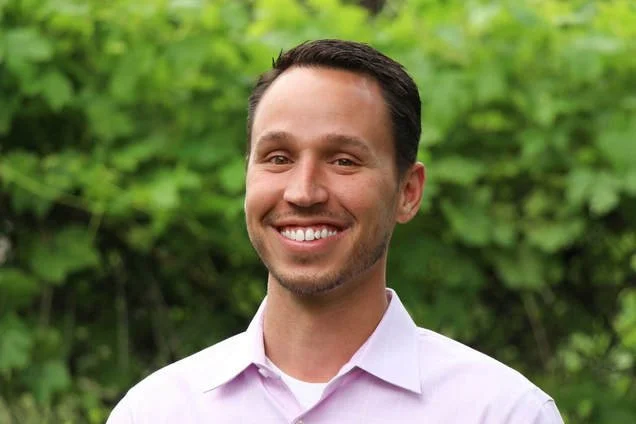
Dustin Hall, LCSW, has worked in mental health for more than a decade and has specialized in treating anxiety for eight years. His style combines compassion, humor, and understanding, and his goal is to give you skills that last well beyond your time in therapy.
Sessions are collaborative. You set the goals, and Dustin brings the clinical tools to help you reach them. Depending on your needs, that may include:
Cognitive behavioral therapy (CBT) to notice patterns in thoughts and actions and practice responses that support your goals.
Exposure and response prevention (ERP) to face feared situations and stop the cycle of compulsions and avoidance, especially for OCD and anxiety.
Acceptance and commitment therapy (ACT) and dialectical behavior therapy (DBT), where appropriate, to build skills for handling difficult emotions and acting on your values.
Support for related concerns, including panic, social anxiety, generalized anxiety, depression, body-focused repetitive behaviors, and life transitions.
There is no one-size-fits-all plan. Treatment is shaped around what you are actually facing and what you want your year to look like.
What to expect in a first session
A first session is a conversation about what brought you in, what you have noticed, and what you would like to change. You can share as much as feels manageable. Dustin may ask about symptoms, daily routines, relationships, and what has helped before. Together you will talk through goals and possible next steps, and you are welcome to ask questions about approach, fit, and logistics before deciding how to proceed.
Small steps for setting a resolution you can keep
Pick one or two goals instead of ten, and describe them as actions ("take a 15-minute walk after lunch") rather than outcomes ("be less anxious").
Plan for a rough week in advance. Decide now what the smaller version of the goal looks like.
Keep a steady sleep and wake schedule when you can, and get daylight and gentle movement if that is accessible to you.
Notice the urge to do it perfectly. Progress that is good enough still counts.
Tell someone you trust what support would help.
If symptoms are affecting your daily life, contact a health professional rather than trying to manage everything alone.
This page shares general information, not a diagnosis or a substitute for individualized care. A licensed health professional can help assess symptoms and discuss options. If you are in crisis or thinking about harming yourself, call or text 988 (Suicide & Crisis Lifeline) or call 911.

Getting care in Bountiful, Davis County, Salt Lake City, and Salt Lake County.
Salt City Mental Health offers in-person counseling at 537 W 2600 S, Suite 203, Bountiful, UT 84010, a short drive from Salt Lake City, and telehealth appointments for people elsewhere in Davis County, Salt Lake County, and the Salt Lake Valley. Call 801-833-4443 or visit the Location page to ask about current availability and which appointment option fits your situation.
Where to find us
537 W 2600 S, Suite 203, Bountiful, UT 84010. The office is in the executive suites above Parsons Bakery, with off-street, lit parking and wheelchair access. Appointments are available in person or by telehealth.

Meet your therapist
Dustin Hall, LCSW, founded Salt City Mental Health and has specialized in treating anxiety for eight years, with more than a decade in mental health. He holds a Master of Social Work and a Bachelor of Psychology from the University of Utah and is a professional member of the International OCD Foundation. He also treats body-focused repetitive behaviors and is certified in CBT-based treatment for trichotillomania (hair pulling) and skin picking disorder. Read his full profile.

Additional Services from Salt City Mental Health