
Mental Health Resources from
around Utah and the nation.
Salt City Mental Health has provided this page as a service to those seeking additional help. Battling mental health can be challenging, often leaving you feeling alone, not knowing where to find additional information. Our resources page has been created specifically for Utah residents, listing both local and national resources. Please take a moment to browse through this valuable information. If you are in immediate danger, please call 911 or go to the nearest Emergency Room.
General Information
OK2Talk (Youth Resource)
Suicide and Self Harm Prevention
Crisis Hotlines
NationalSuicide Prevention Lifeline: 1-800-273-TALK (8255)
Utah County Crisis Line: 801-226-4433
University Neuropsychiatric Institute (UNI) Crisis Line and Mobile Outreach Team: 801-587-3000
Wasatch Mental Health Crisis Line: 801-373- 7393
Trevor Lifeline: 866-488-7386 (LGBTQ Youth)
Non-Crisis Hotlines
UNI WARMLINE: 801-587-1055
Online Resources
American Foundation for Suicide Prevention - Utah Chapter
The Trevor Project (LGBTQ Youth)

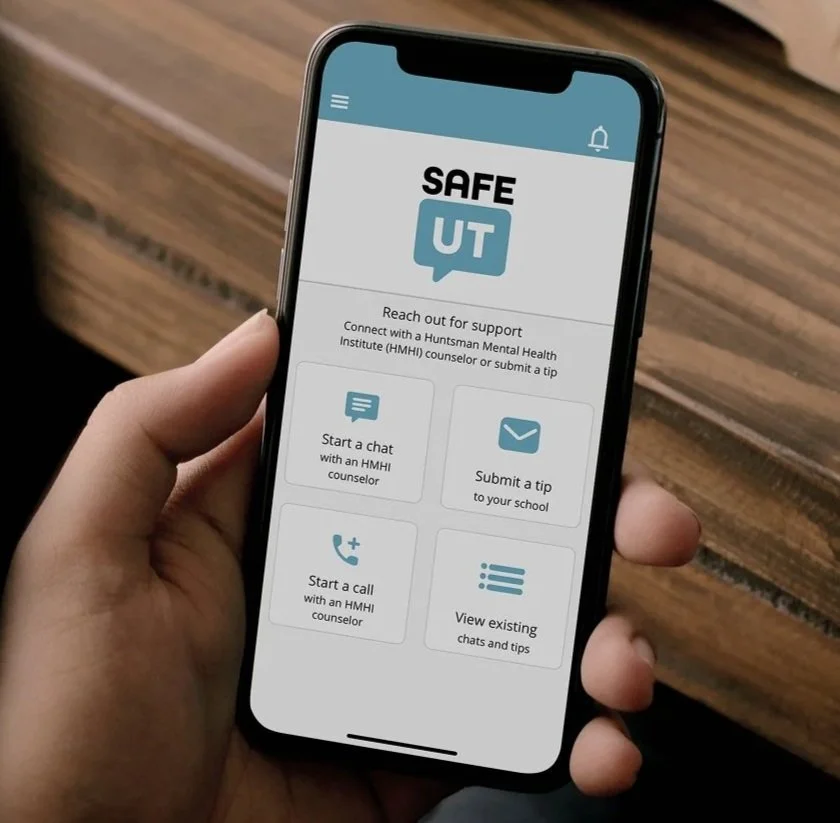
SAFEUT Smartphone App (Emotional crisis, mental health, relationship problems, bullying, or suicide related issues)
Back to School
The TLC Foundation - Tools for School
School Violence
SAFEUT Smartphone App (Submit anonymous tips through this confidential tip program.)
Relationships
Sexual Dysfunction
Enhancements for Sexual Relationships
LGBTQ
Crisis Hotlines
National Crisis Line: (800) 273-TALK
Trevor Project Hotline for LGBTQ teens: (866) 488-7386
Online Resources
Domestic Violence
Crisis Hotlines
Utah Domestic Violence Hotline: 1-800-897-LINK (5465)
Online Resources
Break the Cycle - (Dating Violence)
Love is Respect - (Teen Domestic Violence)
Parenting
Parenting Hotlines
Postpartum Support International (PSI): 1-800-944-4PPD (944-4773)
Baby Your Baby: 1-800-826-9662
Child Care Resource Line: 866-GET-HUGS
After Abortion Support: 866-4-EXHALE
Online Resources
Addiction
Addiction Hotlines
Substance Abuse and Mental Health Services Administration (SAMHSA) 1-800-662-HELP (4357)
Recovery.org 1-888-534-1875
Online Resources

Accepted Insurance
Additional Specialties



EMDR
Depression
Panic Disorder
Transitions
Social Anxiety




Communication Techniques
Generalized Anxiety Disorder
Body Dysmorphic Disorder
Obsessive-Compulsive Personality Disorder
Agoraphobia (fear of leaving home or a safe space)
Got Questions? We’ve Got Answers
-
Insurance is accepted Monday-Thursday through the following providers.
Aetna
Blue Cross Blue Shield
EMI Health
Select Health
United Healthcare
-
Cash
Credit Card (Visa, MasterCard, American Express, Discover)
Health Savings Accounts
Flex Spending Accounts
Ecclesiastical Pay
Our facility accepts multiple payment options in order to provide mental health services to those with any budget. To prevent financial hardships, account balances are not allowed. Payment is expected at the time of service.
-
Please keep in mind that appointments will not be extended for late arrivals. Please provide 24-hour notice for all cancellations. Late cancellation and no-show fees will be charged on the day of the scheduled service.
-
Anger Management
Anxiety
Behavioral Issues
Body Dysmorphic Disorder
Couples Counseling
Depression
Divorce
Early Mission Release
EMDR
Faith Crisis
Family Conflict
Generalized Anxiety Disorder
Grief and Loss
Marriage Preparation
Mission Preparation
OCD
Panic Disorder
Pornography Addiction
Relationships
Self Esteem/Worth
Self-Harm (cutting)
Skin Picking/Hair Pulling (BFRB's)
Social Anxiety Disorder
Spirituality
Tic Disorders
Transitions
-
EMDR
Depression
Panic Disorder
Transitions
Social Anxiety
Communication Techniques
Generalized Anxiety Disorder
Body Dysmorphic Disorder
Obsessive-Compulsive Personality Disorder
Agoraphobia (fear of leaving home or a safe space)
-
Initial Assessment are 60 minute sessions
Standard Session are 50 minute sessions
-
Several mental health diagnoses are chronic, meaning they do not go away. Your therapist will inform you if a diagnosis is confirmed and discuss what to expect for treatment, including whether chronic conditions will exist.
Select Health
United Healthcare
-
You and your therapist will work as a team to treat and track your mental health symptoms. You and your mental health provider will work together to create a treatment goal and regularly discuss progress.
-
Research shows that the combination of medication and treatment is often the most efficacious approach, but taking medication is always the client's choice. Your mental health provider can answer basic questions about medications and will refer you to your general practitioner or psychiatrist if you wish to pursue more in-depth information.
-
Boundaries can be challenging. Throughout treatment, your therapist will discuss techniques for setting, communicating and maintaining effective boundaries.
-
Your therapist can work with you to improve your communication by applying research-based skills and practicing them in therapy sessions. Your mental health provider will also assign homework to practice communication techniques and will assist you in making adjustments as needed.
-
The support needed for an individual in therapy will vary, depending on the diagnosis. The therapist will often encourage their client to bring members of their support system to a session so those members can be taught effective ways to support their loved one's treatment. Validation, patience, and kindness are always effective methods of support.
-
Your therapist will discuss treatment goals and help you create a plan for success. Your mental health provider will assist in keeping you on track, but ultimately, it is your responsibility to do the work.