
Holiday Anxiety and Seasonal Affective Disorder: Support for Winter in Utah
When the holidays and winter feel heavier

Shorter days can affect your energy and mood. Add holiday plans, family tension, grief, financial pressure, travel, or a disrupted routine, and the season may feel like a lot to carry. If anxiety or low mood is making daily life harder, you do not have to wait until things become unbearable to ask for support.
Salt City Mental Health offers individual counseling for adults, with in-person appointments in Bountiful and telehealth. Dustin Hall, LCSW, specializes in anxiety-related concerns and OCD. A free 15-minute phone consultation can help you decide whether getting started feels like a good fit.
Why the holidays can hit differently when you have anxiety or SAD
The holidays do not affect everyone in the same way. You may be looking forward to parts of the season and still feel tense, depleted, or disconnected. Shorter daylight hours can shift sleep and energy, while a packed calendar, money worries, family dynamics, or the loss of someone important can add stress. Cold weather and Utah’s winter inversions may also make it harder to get outside or keep up routines that usually help you feel grounded.
Seasonal affective disorder (SAD) is a form of depression that follows a seasonal pattern. It is more than a difficult holiday week: winter-pattern symptoms often begin in late fall or early winter and ease in spring. Holiday-related anxiety and SAD can occur together, but one does not automatically mean the other.
Reaching out for help is a reasonable next step. You do not need to have a diagnosis or know exactly what is causing the change before talking with a therapist. Learn about anxiety counseling and depression support.

Symptoms: what holiday anxiety and seasonal depression can look like
People experience these concerns differently. You might notice one or several of the following:
Holiday anxiety
Dread or worry about gatherings, travel, or expectations
Racing thoughts or difficulty switching off
Avoiding plans or feeling trapped by them
Irritability, tension, or feeling on edge
Trouble falling or staying asleep
Difficulty concentrating or relaxing
Winter-pattern SAD
Low mood or feeling down for much of the day
Low energy, fatigue, or feeling slowed down
Sleeping more than usual
Increased appetite or cravings for carbohydrates
Pulling away from people or usual activities
Losing interest or pleasure in things you usually enjoy
Anxiety can make social plans and everyday tasks feel harder to approach. Low mood and fatigue can then make it harder to maintain routines or reach out, which may leave more room for worry and isolation. A clinician can help you sort out what is happening and what kind of support fits.
The treatment pathway: what may help
There are several ways to get support, and a plan can be tailored to your symptoms, preferences, and health history.
What to expect in a first session
Cognitive behavioral therapy (CBT) helps you notice patterns in thoughts and actions and practice responses that support your goals. For anxiety, therapy may include gradually facing situations you have been avoiding and learning to respond differently to anxious thoughts and sensations.
Behavioral activation focuses on making room for meaningful or enjoyable activities, even when motivation is low. Small, planned steps can help rebuild routine and connection over time.
Anxiety-focused therapy can help you understand what keeps anxiety going and practice skills for meeting uncertainty, social pressure, or feared situations. Salt City Mental Health lists CBT and exposure and response prevention (ERP) among its treatment approaches.
A first session is a conversation about what brought you in, what you have noticed, and what you would like to change. You can share as much as feels manageable. Your therapist may ask about symptoms, daily routines, relationships, and what has helped before. Together, you can discuss goals and possible next steps. You can ask questions about approach, fit, and logistics before deciding how to proceed.
Small steps for getting through the season
- Choose one or two plans that matter to you and give yourself permission to decline or shorten others.
- Keep a simple, steady sleep and wake schedule when you can.
- Get daylight and gentle movement during the day if that is accessible and comfortable for you.
- Break holiday tasks into smaller steps and set a spending plan that fits your circumstances.
- Make space for grief or complicated feelings; consider telling someone you trust what support would help.
- If symptoms are affecting your life, contact a health professional rather than trying to manage everything alone.
This page shares general information, not a diagnosis or a substitute for individualized care. A licensed health professional can help assess symptoms and discuss options.
Getting care in Bountiful
and Davis County
1. Request an appointment or consultation.
Salt City Mental Health offers a free 15-minute phone consultation to discuss fit and answer questions.
2. Complete a brief intake.
Share basic information about what brings you in and your goals.
3. Attend a first session.
Talk through what you have been experiencing and ask questions about the process.
4. Build a personalized plan.
You and your therapist can decide on goals and next steps together.
Salt City Mental Health offers in-person counseling at 537 W 2600 S, Suite 203, Bountiful, UT 84010, and telehealth appointments. Call 801-833-4443 or Contact Us to ask about current availability. If you are searching for an anxiety therapist near me, an anxiety therapist in Salt Lake, or a way to book an anxiety therapist in Bountiful, contact the practice to confirm which appointment options fit your location.
Where to find us
537 W 2600 S, Suite 203, Bountiful, UT 84010. The office is in the executive suites above Parsons Bakery, with off-street, lit parking and wheelchair access. Appointments are available in person or by telehealth.

Meet your therapist
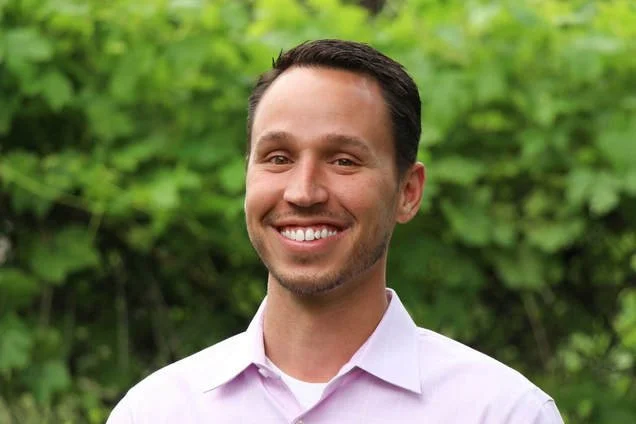
Dustin Hall, LCSW, founded Salt City Mental Health and has specialized in treating anxiety for eight years, with more than a decade in mental health. He holds a Master of Social Work and a Bachelor of Psychology from the University of Utah and is a professional member of the International OCD Foundation. He also treats body-focused repetitive behaviors and is certified in CBT-based treatment for trichotillomania (hair pulling) and skin picking disorder. Read his full profile.