OCD Therapy in Davis County, Utah: Symptoms, Causes, and ERP Treatment
Know what you are dealing with, and see exactly how treatment works.

If you have been searching for an OCD therapist near you in Davis County, you may already know the loop. A thought shows up, anxiety spikes, and you do something to make it stop: check, wash, review, ask for reassurance. It works for a few minutes. Then the thought returns, often louder.
This guide explains what OCD is, how to recognize it, what causes it, and how Exposure and Response Prevention (ERP) treats it. At the end are the practical steps for booking with Dustin Hall, LCSW, whose Bountiful practice focuses on OCD and anxiety-related disorders.
You do not need to be certain it is OCD before you call.
What is OCD, and what are the symptoms?
Obsessive-compulsive disorder (OCD) is an anxiety-related condition with two parts. Obsessions are unwanted thoughts, images, or urges that feel distressing and hard to dismiss. Compulsions are the physical or mental actions you take to ease that distress or prevent something feared.
OCD is not about being neat, and having a disturbing thought does not mean you want it or will act on it. Most people have odd intrusive thoughts. OCD takes hold when the thought feels urgent, and the ritual feels necessary.
Common OCD symptoms
Common theme
Contamination
Checking and harm
Symmetry and just-right
Unwanted intrusive thoughts
Relationship and moral doubt
Health
What the obsession can sound like
This is dirty, and I will get sick or make someone else sick
What if I left the stove on or hurt someone without knowing
It feels wrong until it is even or exact
A violent, sexual, or blasphemous thought appears and feels like proof of who I am
What if I do not really love my partner, or I am a bad person
What if this symptom means something is seriously wrong
What the compulsion can look like
Repeated washing, avoiding surfaces, changing clothes
Rechecking locks and appliances, retracing steps, replaying events
Arranging, redoing, repeating until it feels right
Mental reviewing, praying or counting to cancel it, avoiding triggers
Seeking reassurance, testing feelings, confessing
Googling, body checking, repeated doctor visits
Compulsions are not
always visible
Many rituals happen in your head or around other people: mentally reviewing, analyzing a thought until it feels settled, tracking, avoiding, and asking others to reassure you. These feel like coping. In OCD they keep the cycle going.
When to
reach out
Consider calling if rituals or worry take up much of your day, you avoid places or people because of them, or your work and relationships are suffering. If you are in crisis or thinking about harming yourself, call or text 988.
What causes OCD?
There is no single cause, and nothing you did caused it. Research points to a mix of factors:
Genetics. OCD can run in families, though having a relative with OCD does not mean you will develop it.
Brain circuitry. Differences in the circuits that handle threat detection and habit can make false alarms feel urgent.
Temperament. A strong sense of responsibility and low tolerance for uncertainty are common in people with OCD.
Stress and transitions. Major life changes or heavy stress can trigger OCD or make it worse.
What keeps OCD going is easier to see than what starts it. An obsession creates anxiety, a compulsion brings short relief, and the relief teaches your brain the ritual was needed. Each pass through the loop makes the next one stronger. Treatment targets that loop, so you do not need to find the cause before treatment can help.
How ERP therapy works:
the treatment pathway
Exposure and Response Prevention (ERP) is a research-based behavioral treatment for OCD and related anxiety disorders, and it is widely considered a first-line therapy for OCD. You face a trigger on purpose and practice not doing the ritual. Over time, your brain learns the trigger is manageable.

How long ERP takes depends on your symptoms, how often we meet, and how much you practice. We will talk about pacing in your first sessions.
Here is the usual path at Salt City Mental Health:
Initial assessment (60 minutes). You talk through your history, symptoms, what you have tried, and what you want to change.
Map the cycle. You and your therapist identify your obsessions, rituals, avoidance, and reassurance habits
Build a fear ladder. You rank triggers from manageable to hardest.
Practice between sessions. Real change happens in daily life, so you get exercises to repeat on your own.
Review and maintain. You review progress, plan for setbacks, and taper support as your confidence grows.
Dustin Hall, LCSW, is one of the few counselors in Bountiful who specializes in ERP for anxiety disorders. ERP is one part of care. Depending on your needs, we may add skills from CBT, DBT, or ACT, and therapy can be combined with medication from a prescriber.
Getting OCD treatment
in Davis County
Salt City Mental Health is in Bountiful, so people from nearby Davis County communities such as Woods Cross, Centerville, North Salt Lake, Farmington, Kaysville, and Layton can be seen close to home. Consistency matters in ERP, and a short drive makes it easier to keep appointments.
Where to find us
537 W 2600 S, Suite 203, Bountiful, UT 84010. The office is in the executive suites above Parsons Bakery, with off-street, lit parking and wheelchair access. Appointments are available in person or by telehealth.

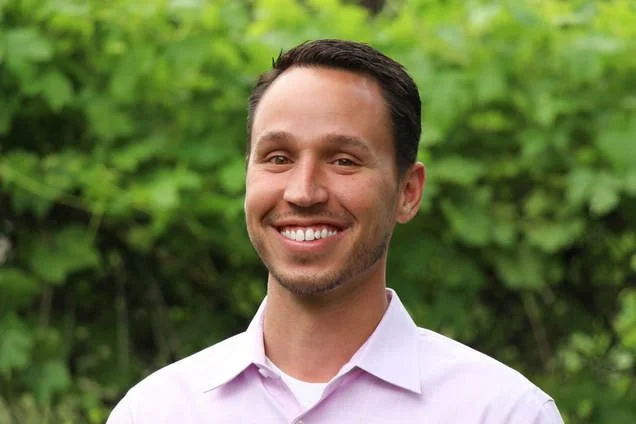
Meet your therapist
Dustin Hall, LCSW, founded Salt City Mental Health and has specialized in treating anxiety for eight years, with more than a decade in mental health. He holds a Master of Social Work and a Bachelor of Psychology from the University of Utah and is a professional member of the International OCD Foundation. He also treats body-focused repetitive behaviors and is certified in CBT-based treatment for trichotillomania (hair pulling) and skin picking disorder. Read his full profile.

Additional Services from Salt City Mental Health